








Registered Charity No: 1080687
23 Black Bear Lane,
Newmarket,
CB8 0JT
It’s not all lazy, hazy days when the summer gets here, and the temperatures rise. Staying hydrated becomes more important than ever as every cell depends on water to function properly. Yet, despite this, many people are unknowingly falling short on their water intake. During hot weather when the body loses fluids far more rapidly through sweat, it’s crucial to replace those lost fluids so that dehydration doesn’t make you ill.
Here at Cooleraid, we know why good hydration solutions are so important, how to stay properly hydrated, and the dangers of neglecting your fluid intake during the hot summer months.
Your core temperature will increase during hot weather, and your body tries to cool itself down by sweating in response to this. Sweating will help to regulate your temperature, but the downside is it also causes significant fluid loss. If you don’t replace those fluids, you can become dehydrated more quickly than you realise.
Even mild dehydration can affect you - your physical and mental performance can be compromised. Symptoms begin mildly with a dry mouth and fatigue but can quickly escalate to heat exhaustion or even heat stroke in extreme cases. Vulnerable people such as the elderly, children, and chronic illness sufferers are more at risk, so should be checked regularly.
Water is needed for nearly every biological function in your body. It regulates body temperature, transports nutrients and oxygen to cells, lubricates joints, protects organs and tissues, removes waste through urination and sweating, and aids digestion.
When you’re dehydrated, these functions become less efficient. For example, your heart needs to work harder to pump blood, and your brain function can become impaired, leading to loss in concentration, mood swings, and headaches.
During hot weather, you can easily misinterpret the symptoms of dehydration, so it’s really important to know the signs to look out for. They can include dry mouth or extreme thirst, dark yellow urine or infrequent urination, dizziness or feeling lightheaded, headaches, fatigue and/or confusion, dry skin, and a rapid heartbeat.
Feeling thirsty is a sign that you’re already slightly dehydrated, so prevention is better than cure!
The general rule of thumb has always been 8 glasses of water a day, which is roughly 2 litres. In hot weather you’ll probably need more as you’ll lose extra fluid through sweat, and this could be up to half as much again.
Staying hydrated isn’t rocket science. Here are our top tips:
Drink water regularly – Don’t wait until you’re thirsty before you drink. Set regular reminders or carry a refillable water bottle to sip throughout the day. Cooleraid offer high-capacity water dispensers perfect for the office, making hydration easy and accessible.
Eat foods rich in water – Hydrating foods are the way to go! Watermelon, cucumber, strawberries, oranges, lettuce, and celery are all examples of water rich foods. They also provide essential vitamins and electrolytes.
Limit caffeine and alcohol - Both caffeine and alcohol are diuretics, which means they increase fluid loss. If you do drink them, balance them out with water in between.
Cut down on single use plastic and get a reusable water bottle – Carrying your own bottle will encourage you to sip more. An insulated bottle will help keep your water colder in the hot weather and refilling your own cuts down on single use plastics, which helps the environment.
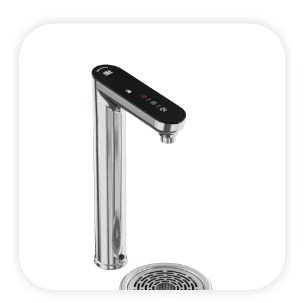
Install a water cooler – A water cooler will give you cool, fresh, filtered water on tap! This makes it easier to keep up your hydration levels.
Flavour your water – Plain water can seem a bit boring sometimes, so infuse it with some flavour. Slices of lemon, lime, cucumber, or mint will give a hint of flavour ensuring you keep up a consistent intake.
Hydrate before, during, and after exercise – When you exercise in hot weather, you lose more fluid than usual. Hydrate before, sip during, and replenish after exercise to avoid overheating and maintain your performance.
If you don’t stay hydrated in hot weather, there are risks of serious health problems including:
Heat exhaustion – Symptoms include heavy sweating, nausea, lethargy, and dizziness. Without intervention these symptoms can lead to heat stroke which can be life-threatening if untreated.
Kidney problems – Chronic dehydration can put a strain on the kidneys and increase the risk of UTIs and kidney stones.
Low blood pressure – Dehydration reduces blood volume, which can be the cause of low blood pressure and poor circulation. There is a risk of fainting with low blood pressure.
Cognitive impairment – Even mild dehydration can have a negative impact on your mood, memory and overall mental performance. For anyone studying (children, students etc), this can interfere with learning and concentration.
Digestive issues – Dehydration can contribute to constipation and poor digestion. Water helps move food through your digestive system and helps keep everything lubricated.
Getting into a hydration routine will help your overall health, whatever time of year and creating a habit will ensure you get the intake of fluids you need. Try to start and end your day with a glass of water and swap the odd hot drink for a glass. You could even swap out your morning coffee or tea. It doesn’t have to be cold water either – a glass of hot water with a lemon slice can be very refreshing.
At Cooleraid we believe that everyone deserves access to clean, safe water every day. Our range of mains fed and bottled coolers can help you and your team stay cool, focussed, and hydrated, especially in hot weather. Explore our range here.


